
Old dynamics are breaking down as a wave of new state laws is putting teeth into consumer protection and shop rights, but federally protected data access is the Holy Grail.
Every independent shop owner knows the feeling of staring down a vehicle estimate sliced to pieces by a remote insurance adjuster. For years, independent repairers have operated under a cloud of outside interference.
Outside entities dictate necessary procedures, mandate aftermarket part alternatives, and cap labor rates. It amounts to a daily battle for control over our own shop floors.

But the ground is shifting. Repair shops are finally securing legislative tools to push back against arbitrary insurance cuts and bad-faith delays. Yet, while the industry celebrates hard-fought victories over paper estimates, a much larger challenge is developing right inside our service bays.
The future of independent repair will no longer be determined by traditional negotiations with insurers. It will be decided by who controls the digital lifeline of the modern vehicle.
Building the Wall Against Insurance Intrusion
For decades, the standard insurance playbook was simple: squeezing the estimate, delaying the supplement, and forcing the shop to absorb the cost or cut corners. If an insurer refused to pay for vital scanning, safety calibrations, or structural pulling, independent shops had little recourse. The playing field was entirely uneven.
That dynamic is breaking down. A wave of new state laws is putting teeth into consumer protection and shop rights. Independent appraisal dispute mechanisms are being written directly into insurance codes. These new statutes strip away a carrier’s ability to unilaterally dictate the final cost of a repair.
Under newly signed bills, if a shop and an adjuster hit an impasse over repair costs, the dispute can be pushed to an independent appraisal panel. Adjusters can no longer simply delete a blend time or an ADAS setup without providing documented technical justifications in writing.
At the same time, transparency rules are tackling hidden alternative parts mandates. New regional regulations require insurance carriers to explicitly notify policyholders at the point of sale if their policies permit non-OEM aftermarket components over factory parts.
Other states are penalizing intentional claim delays and set strict repair thresholds to stop carriers from prematurely totaling cars just to avoid complex tech calibrations. These updates build a protective barrier around the traditional shop estimate, ensuring independent businesses can fix cars safely without financial starvation.
The New Gatekeepers of the Service Bay
These legislative victories paint an optimistic picture of an industry protecting its operations. Shop owners are gaining ground in the legacy war against insurance overreach. But there is a deeper, structural transformation occurring right now that these regulations completely miss — and it is a reality that every independent facility must confront.
While the industry fights over physical estimates, paper disclosures, and line items, vehicle manufacturers are quietly bypassing the shop desk altogether. The cars sitting in our bays today are no longer just mechanical assemblies. They are highly sophisticated, rolling data terminals.
Through embedded, real-time wireless telematics, a connected vehicle can instantly transmit its entire health profile, fault codes, and structural telemetry directly back to the manufacturer’s cloud network. This data transfer happens instantly, long before a customer even thinks about calling a local shop or dialing a tow truck.
The automakers are actively positioning themselves as the ultimate gatekeepers of the service workflow. By controlling that wireless data pipeline, they can diagnose the vehicle remotely, dictate parts procurement, pre-populate a digital repair plan, and steer the consumer toward their own certified dealership networks before an independent shop can even open the driver’s side door.
Fighting the Digital Paywalls: The Owner’s Counterattack
Independent shop owners are not taking this silent lockout lying down. Across the country, progressive operators are deploying tactical workarounds to pierce these wireless corporate fortresses. The modern shop floor is becoming an environment of digital adaptation, where counteracting automaker paywalls is just as vital as turning a wrench.
To bypass the physical secure gateways and electronic locks built into newer vehicle architectures, multi-brand facilities are adopting unified credential networks. These networks allow independent technicians to log in securely, authenticate their certifications, and pull real-time diagnostics directly from the car, circumventing restricted factory protocols.
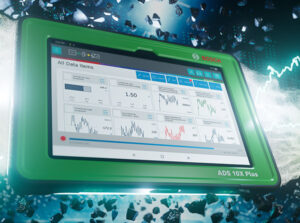
Simultaneously, shops are moving toward advanced diagnostics platforms. By leveraging artificial intelligence and crowd-sourced vehicle telemetry, these tools analyze fault patterns and map out complex repair workflows without relying on a single manufacturer’s closed estimation loop.
For commercial accounts and small fleets, shops are shifting the dynamic entirely by utilizing universal, aftermarket hardware plugins. These modules plug directly into the vehicle’s onboard diagnostics port, intercepting raw performance data and routing it directly to the independent facility’s servers rather than the automaker’s cloud.
Furthermore, leading shops are implementing automated document-routing and digital part-tracking systems. These platforms automate the logging of intricate structural supplements and scan reports. By organizing this data instantly, shops can present clear diagnostic evidence to insurance adjusters and customers alike, defending their repair plans before outside parties can steer the narrative.
The Road Ahead
Securing our rights against insurance adjustments is a vital step for daily cash flow and consumer safety. But building a defensive wall around paper estimates will not save the independent aftermarket overall. The legacy battle with insurance adjusters was yesterday’s war.
The true, long-term survival of the independent repair shop will not be decided by who wins an estimate dispute. It will be decided by who controls the digital sovereign data flowing out of the vehicle’s dashboard. If independent shops are locked out of wireless telematics access, the legislative shields we built will protect an estimate process that no longer exists.
By deploying secure credentials, AI-driven diagnostics, universal plugins, and aggressive data tracking, independent owners are building a baseline for survival. But grassroots workarounds are only a stopgap.
Until independent shops secure direct, permanent, and federally protected data access to the vehicles they service, the risk remains of being managed out of the repair loop entirely by remote corporate clouds.
Steven E. Schillinger is an accredited Professional Engineer and often speaks at auto industry meetings about EPA, OSHA and Fire Marshal regulations. He is certified for ANSI/ASHRAE/USGBC/IES Standard 189.1-2014 and works with companies to resolve and remove environmental, health and safety violations.



Comments are closed.