
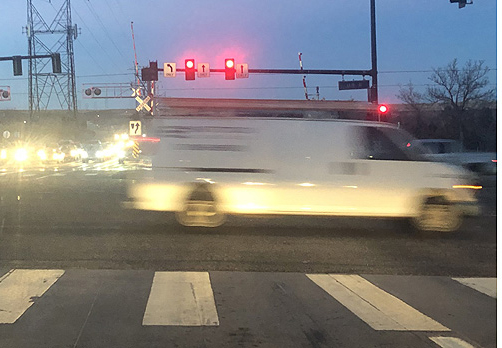
Gasoline prices climbed 21.2% month over month, adding a significant cost to household budgets. Auto repair costs also continue to increase.
It has now been six weeks into the U.S. military campaign against Iran, and a new Pew Research Center survey finds that higher gas prices are the outcome that concerns Americans the most.
According to the survey, about seven-in-10 Americans (69%) are concerned about higher gas and fuel prices as a result of the U.S. military action against Iran, including 45% who are extremely concerned. Of the potential outcomes Pew Research Center asked about, it notes that gas prices are the one that concerns Americans most.
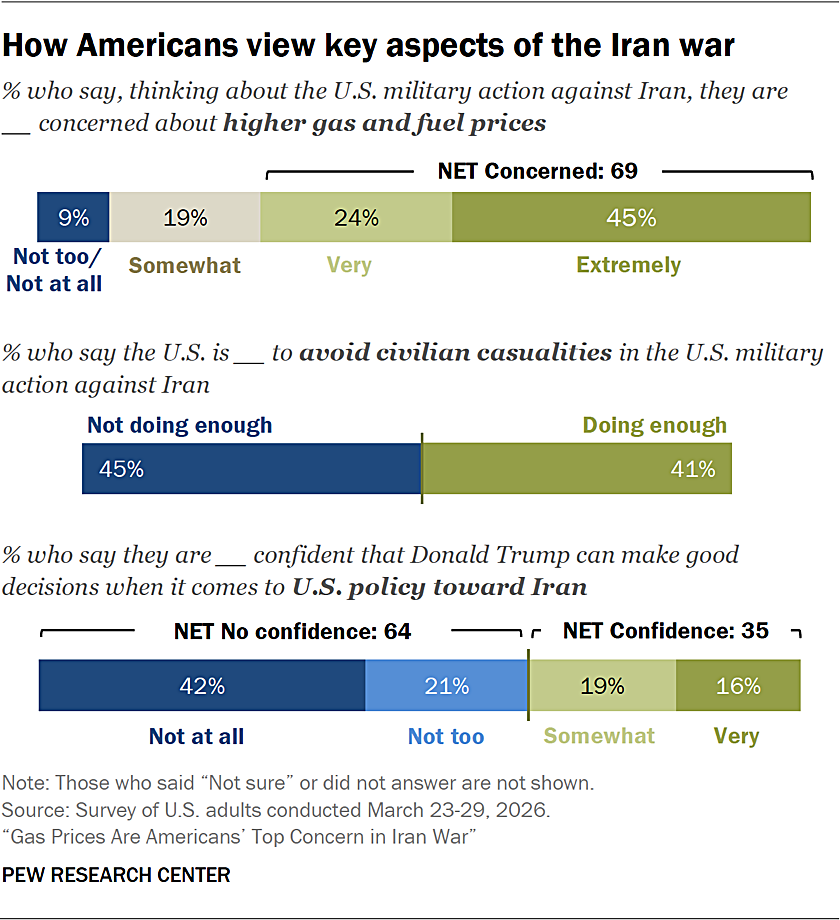
The survey was conducted March 23-29 among 3,507 U.S. adults.
Navy Federal Credit Union also released the latest iteration of its Cost of Car Ownership (COCO) Index this week, revealing a record-high in the cost of owning a vehicle. The COCO Index rose 4.7% in March, 5.5% in the past year, and 47.6% since January 2020. The latest increase is driven almost exclusively by a sharp increase in gasoline prices.
Gasoline prices climbed 21.2% month over month, adding a significant cost to household budgets. Auto repair costs also continue to increase. Using data from the Bureau of Labor Statistics, the COCO Index tracks 11 of the most significant individual expenses associated with owning and maintaining a vehicle.
“The Cost of Car Ownership Index soared to a record high in March, underscoring the squeeze so many Americans are facing financially right now,” said Heather Long, chief economist at Navy Federal Credit Union. “The 21% jump in gas prices in March was the largest factor leading to the new all-time high, but maintenance costs, repair costs and tires were all up around 1% as well during the month.”
Dollars per Gallon vs. Miles Driven
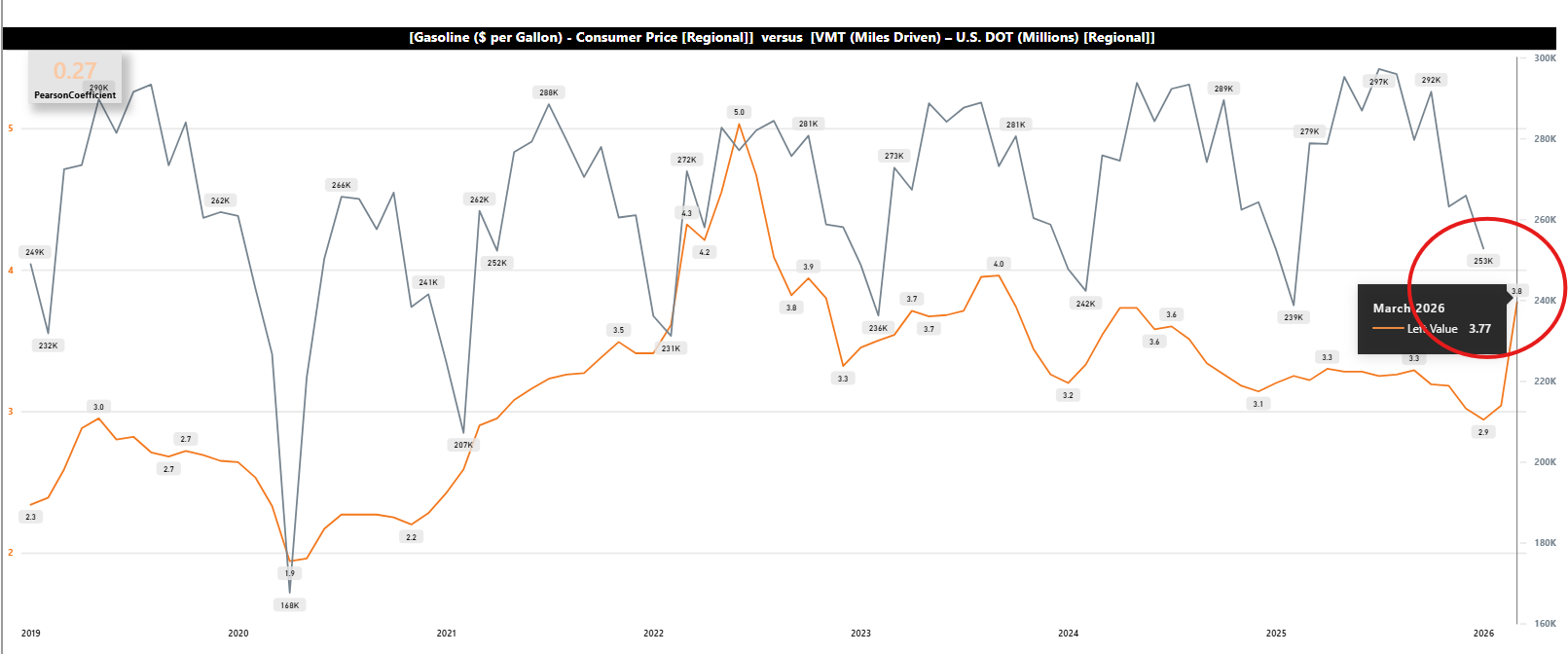
Source: Auto Care TrendLens
Aftermarket leaders share their perspectives
Aftermarket Matters Weekly reached out to Auto Care Association President and CEO Bill Hanvey and MEMA Aftermarket Suppliers President Emily Poladian, who issued the following statements on their perspectives of the Iran war on the industry.
MEMA Aftermarket Suppliers President Emily Poladian: “The situation in the Middle East is contributing to upward pressure on global oil prices, which is already beginning to flow through to gasoline prices in the United States. While it’s still early, we are seeing the initial stages of what could become a more sustained cost increase for consumers if the conflict persists.

“Historically, rising fuel prices influence driving behavior. In the short term, the impact on miles driven is typically limited, but if elevated prices continue, consumers tend to consolidate trips, delay discretionary travel, and shift driving patterns. That, in turn, can affect demand across the aftermarket, especially in categories tied to wear-and-tear and routine maintenance.
“At this stage, MEMA is closely monitoring the situation. Concerns are beginning to surface, particularly around consumer sensitivity to higher fuel costs and impact to supply chain logistics. However, we have not yet seen a significant change in demand patterns.
“Looking ahead, if the conflict remains unresolved and fuel prices stay elevated, we could see a more pronounced behavioral shift. That may result in softer miles-driven trends, which would have downstream implications for parts and service demand. At the same time, prolonged vehicle ownership, something we’ve seen in recent year, continues to support baseline aftermarket demand.
“We will continue to track developments and engage with our members as conditions evolve.”
Auto Care Association President and CEO Bill Hanvey: “What we’re seeing right now with the escalation involving Iran is that pressure on global oil supply is pushing fuel prices up, and that’s starting to hit consumers at the pump.
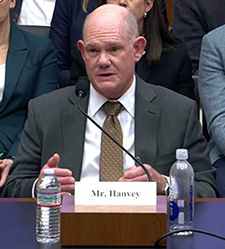
“In the very early stages, we’re not seeing a dramatic drop in miles driven yet, but the direction is clear. When gas prices go up, people start to think twice about discretionary trips such as weekend drives and extra errands. That said, most Americans still rely on their vehicles every day, so the initial impact tends to be gradual rather than immediate.
“If this situation drags on, that’s when the real effects start to show. Sustained higher gas prices will eventually lead to people driving less, especially for non-essential travel. It also puts pressure on household budgets, which can change how and when consumers choose to maintain their vehicles.
“For our industry, it’s a bit of a mixed picture. Less driving can mean some softening in demand for routine maintenance tied directly to mileage. But at the same time, when consumers feel financial pressure, they tend to hold onto their vehicles longer and invest in keeping them running rather than buying new ones. That’s where the aftermarket continues to play a critical role.
“It’s still early, and the impact on miles driven is modest so far. A number of other factors are correlated to VMT (vehicle miles traveled) — temperature, orders and shipments of durable goods, new and used vehicle sales, and retail sales at parts, accessories and tire stores. The trends for these indicators are mixed, but if higher fuel prices stick around, we would expect to see a gradual pullback in driving and a shift in consumer behavior that the aftermarket is well-positioned to adapt to.
“The Auto Care Association will continue to keep a close eye on both fuel prices and miles driven trends as this situation evolves.”






Comments are closed.